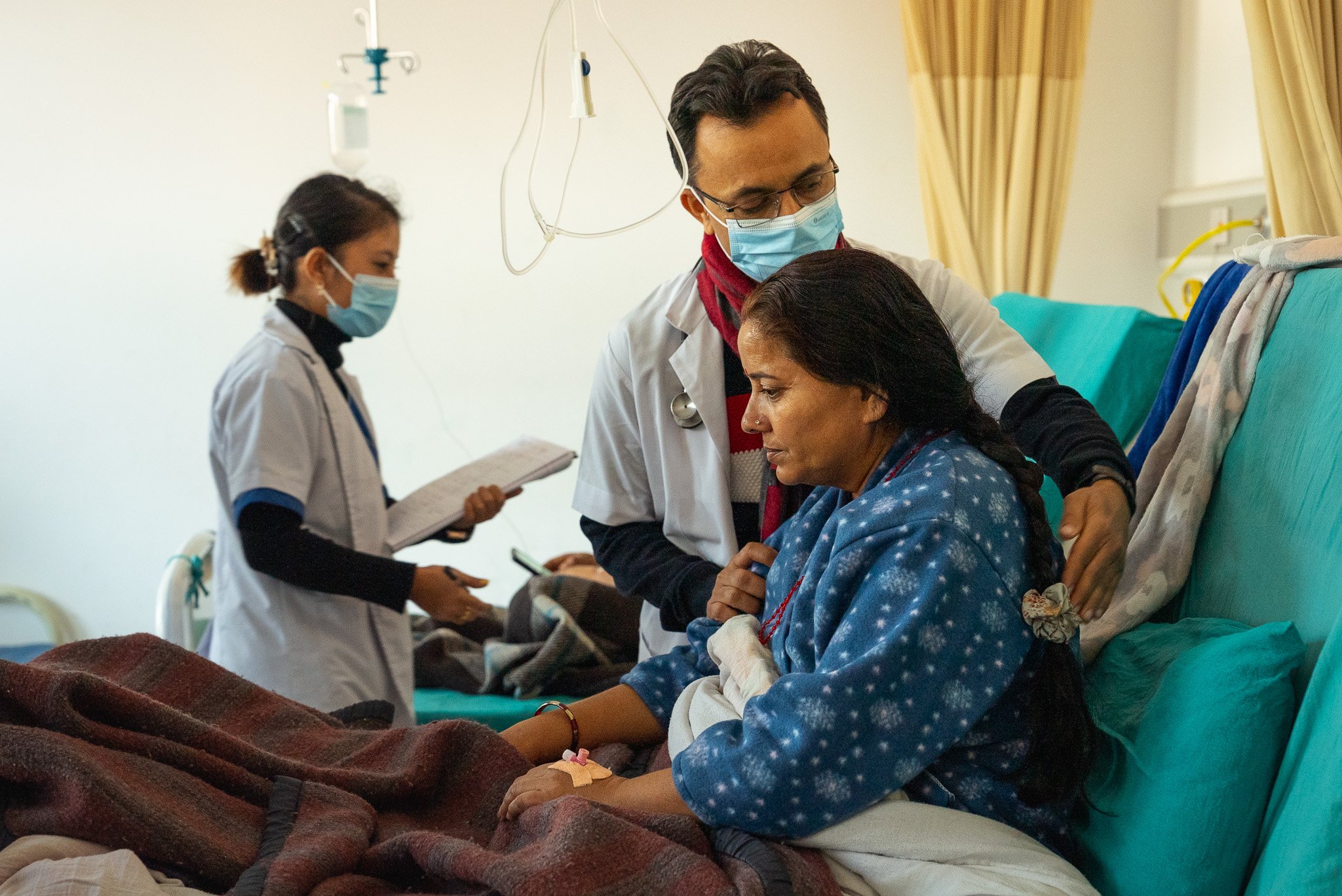
Dr Mohan Chandra Regmi attends to a patient in the Social Services Hospital of Kathmandu.
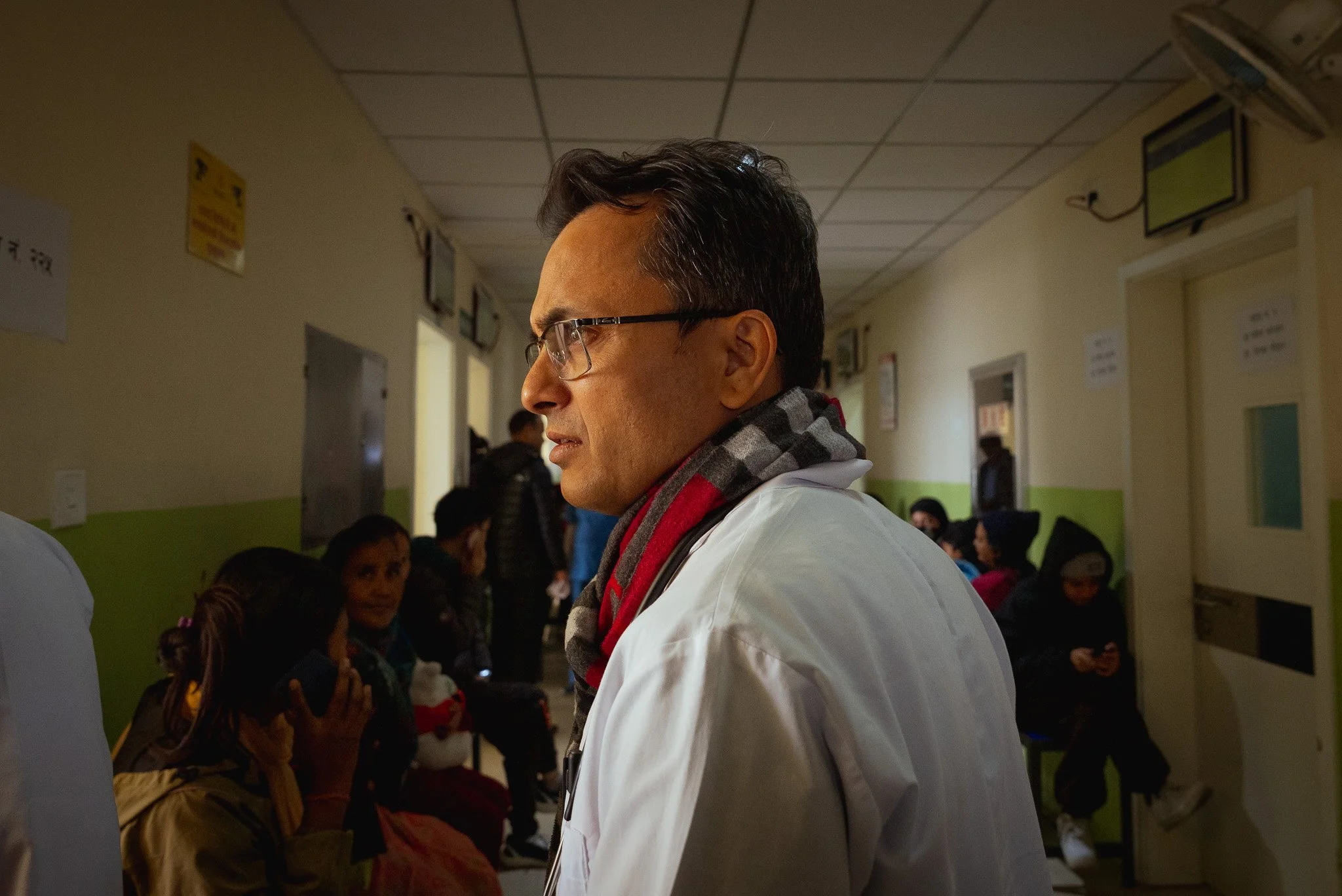
Dr Mohan Chandra Regmi at the Social Services Hospital of Kathmandu.
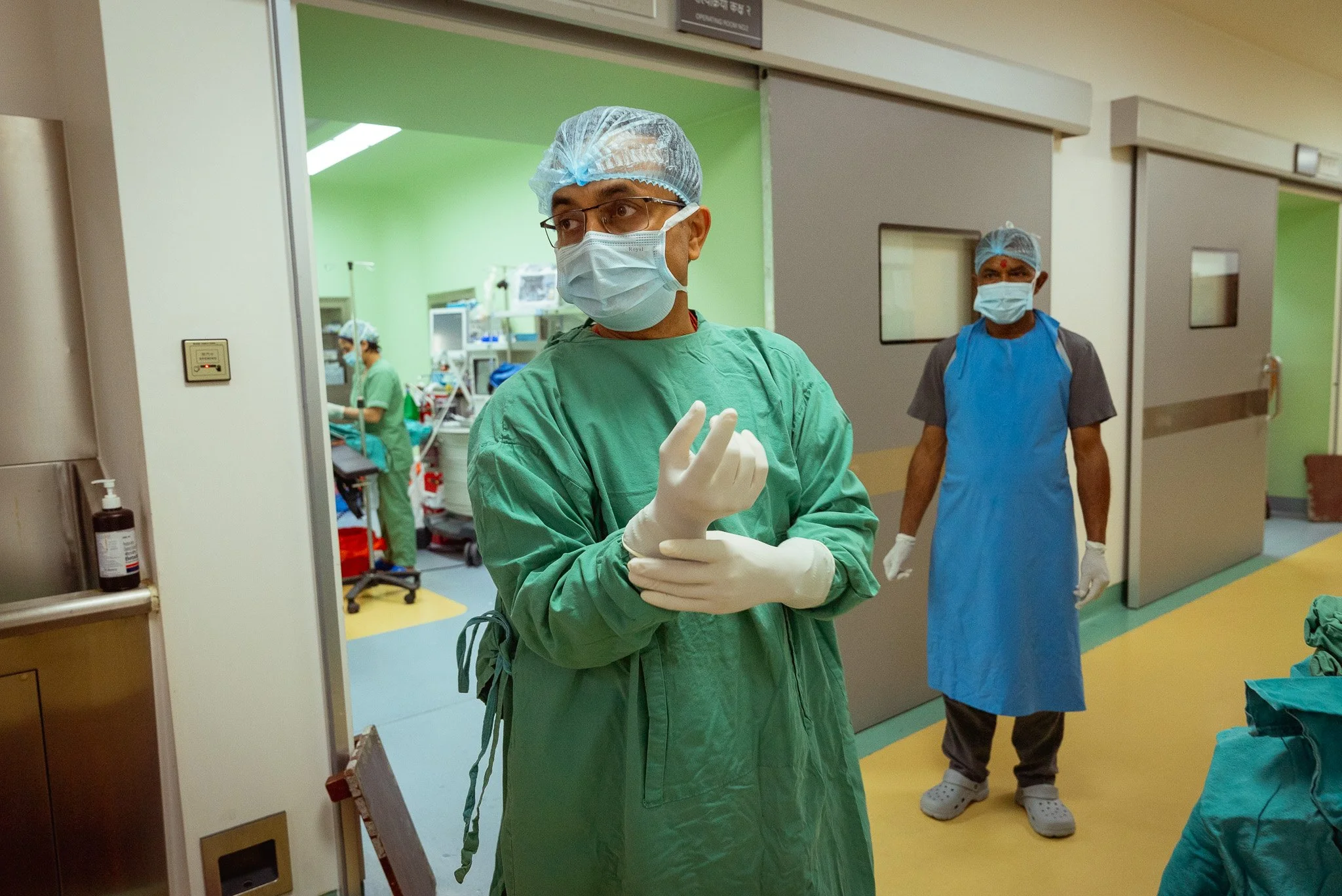
Dr Mohan Chandra Regmi readies himself before heading in to the operating theatre, Kathmandu.
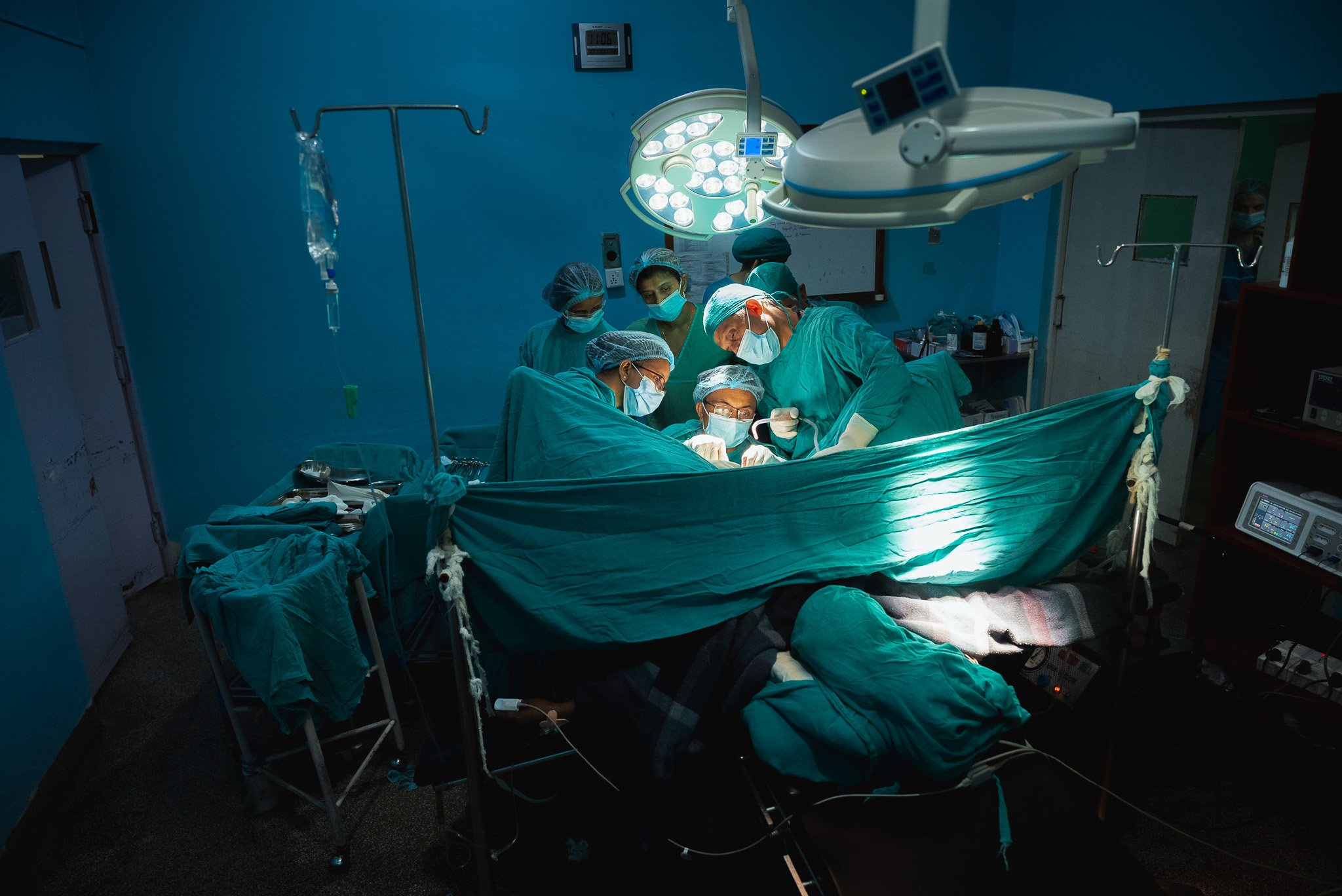
Dr Mohan Chandra Regmi performs corrective fistula surgery in theatre at the B.P. Koirala Institute of Health Sciences, Obstetrics and Gynaecology department, Dharan.
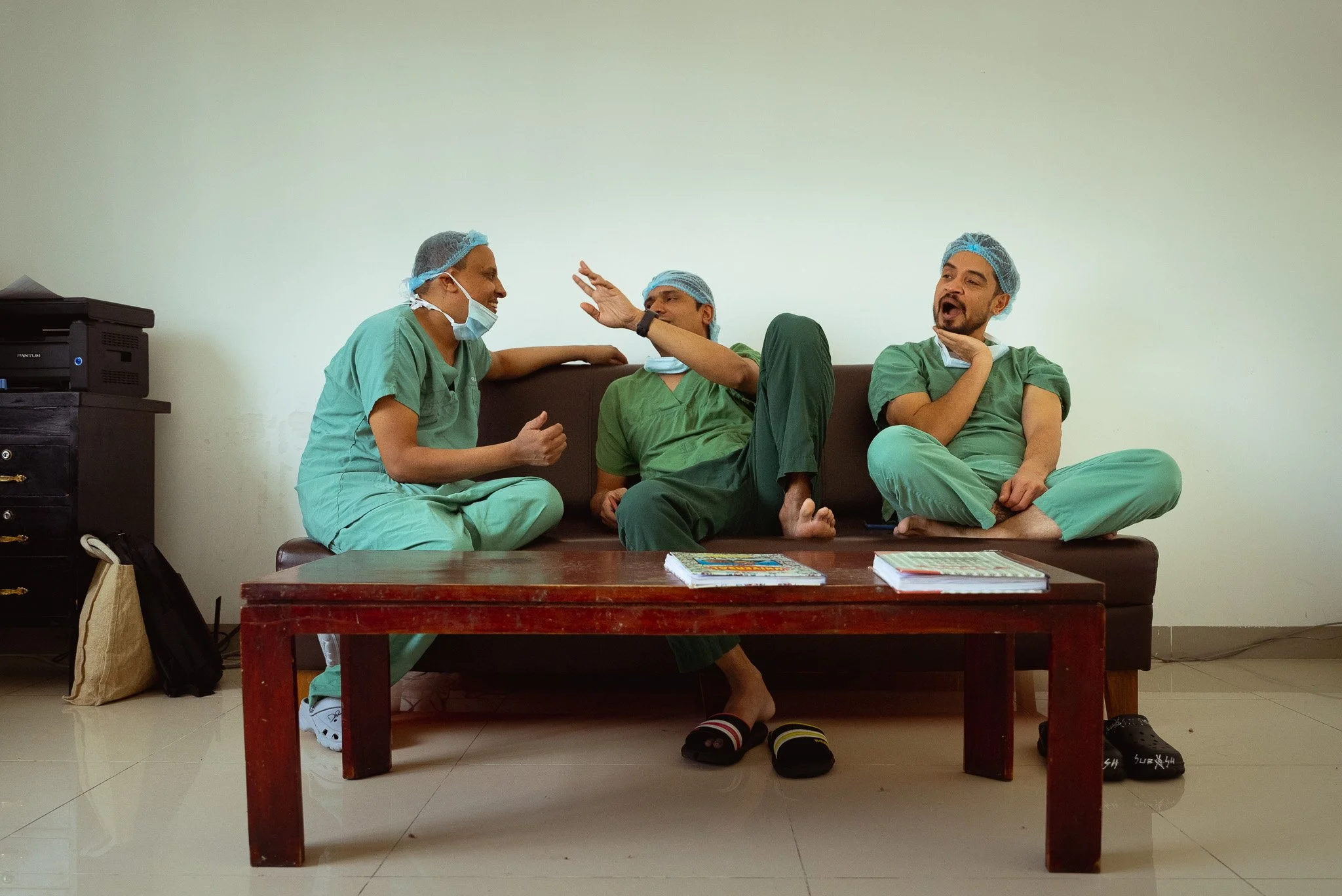
Surgeons in the staff room relax between surgeries at the B.P. Koirala Institute of Health Sciences, Obstetrics and Gynaecology department, Dharan.
Dr Mohan Chandra Regmi inside the Social Services Hospital of Kathmandu makes his way to see patients recovering from fistula sugeries.
Dr Mohan Chandra Regmi attends to a patient in the Social Services Hospital of Kathmandu.
Patients in the corridor of the Obstetrics and Gynaecology department at the Social Services Hospital of Kathmandu wait to be seen by Dr Mohan Chandra Regmi.
A patient awaits to be seen by staff members in the Obstetrics and Gynaecology department at the Social Services Hospital Kathmandu.
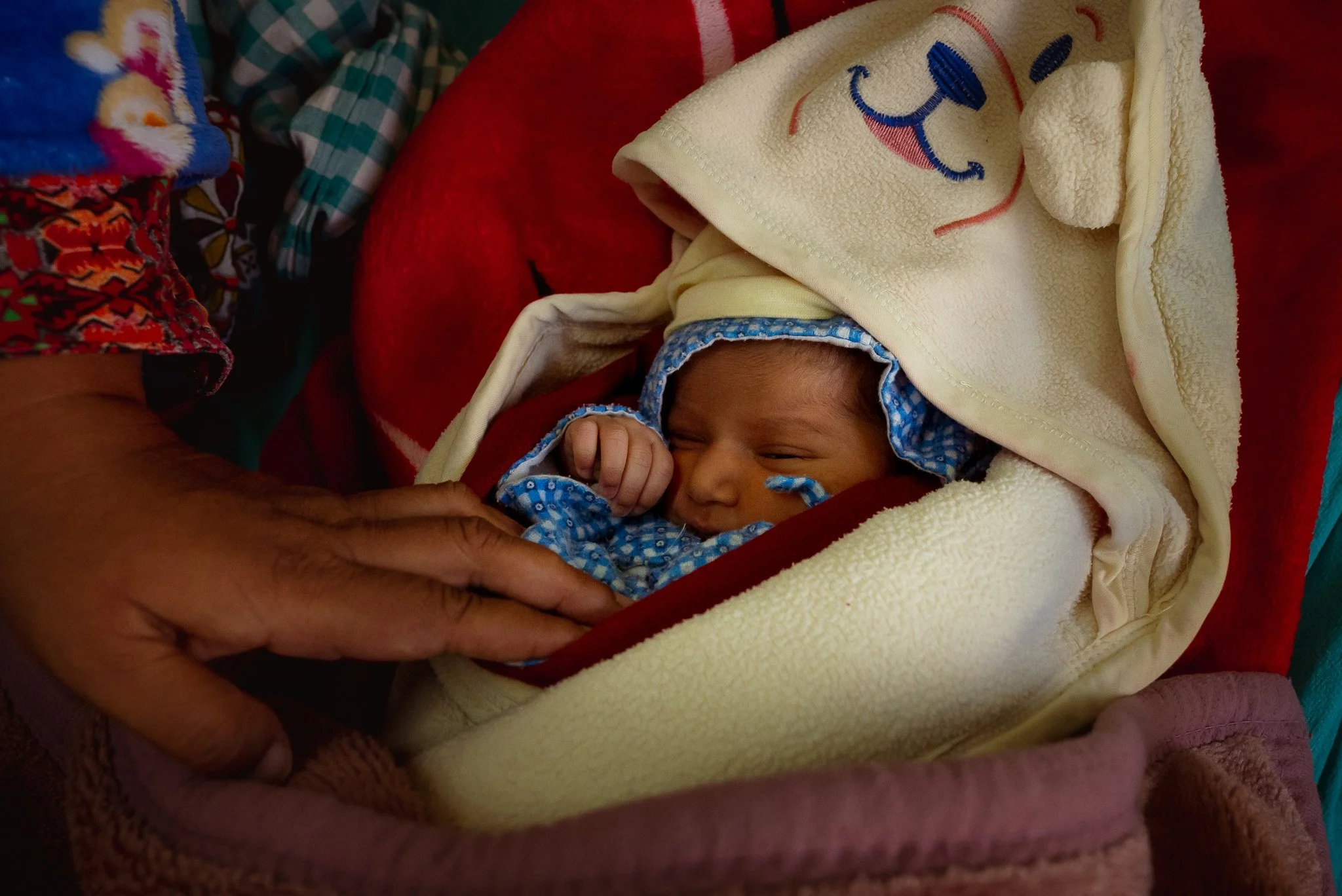
A child born to a woman who later developed obsetric fistula in the Obstetrics and Gynaecology department at the Social Services Hospital Kathmandu.
A model of a uterus inside Dr Mohan Chandra Regmi's office, as seen while he consults with a patient in the Social Services Hospital of Kathmandu.
Dr Mohan Chandra Regmi prepares himself for the working day in the parking lot outside the Social Service Hospital, Kathmandu.
Dr Mohan Chandra Regmi meets his youngest daughter at the school bus in Kathmandu. He is says his daughters inspire him to work for a future where women's health is prioritised.
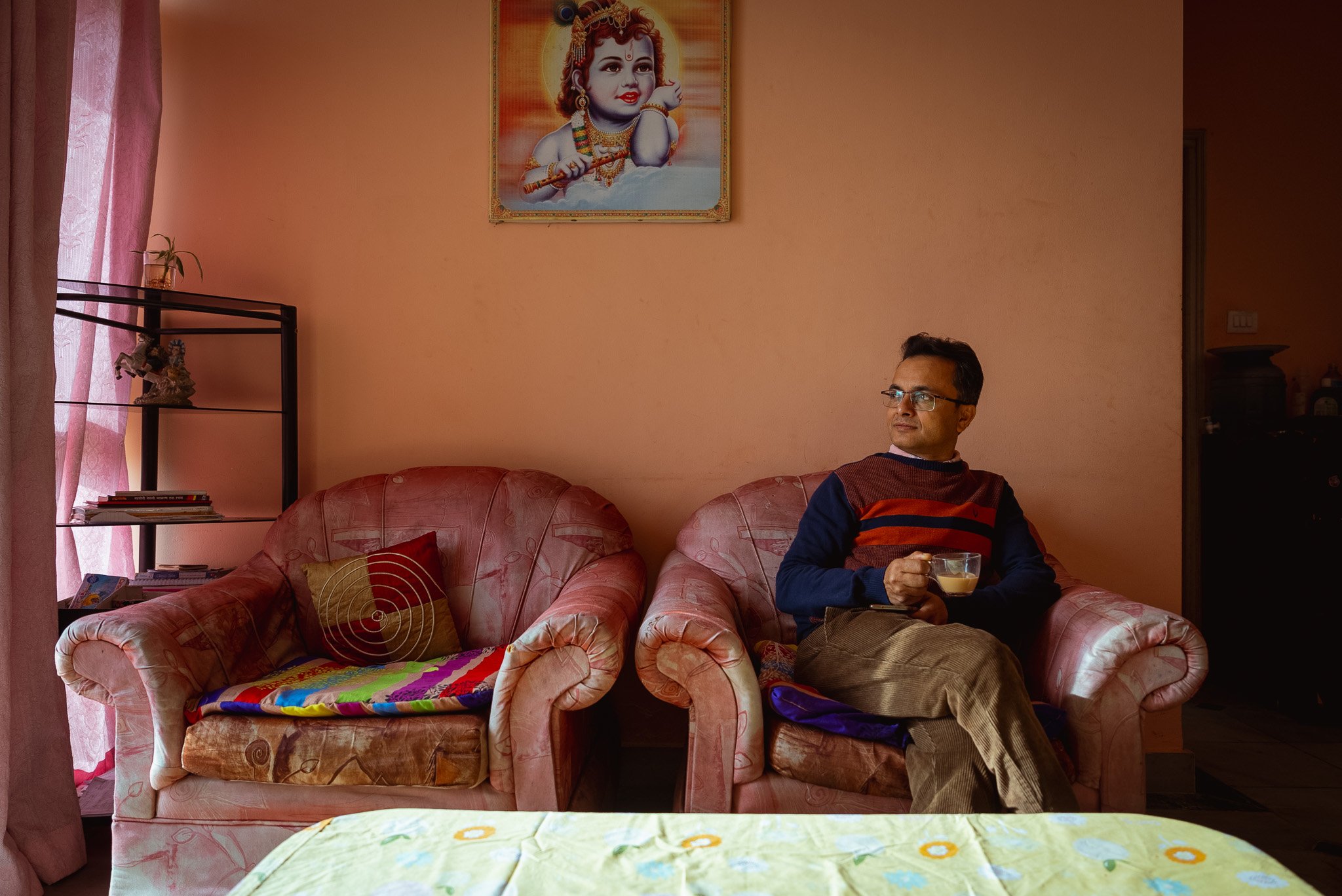
Dr Mohan Chandra Regmi poses for a portrait at home in Kathmandu.
Fistula tends to affect some of the poorest populations in Nepal.
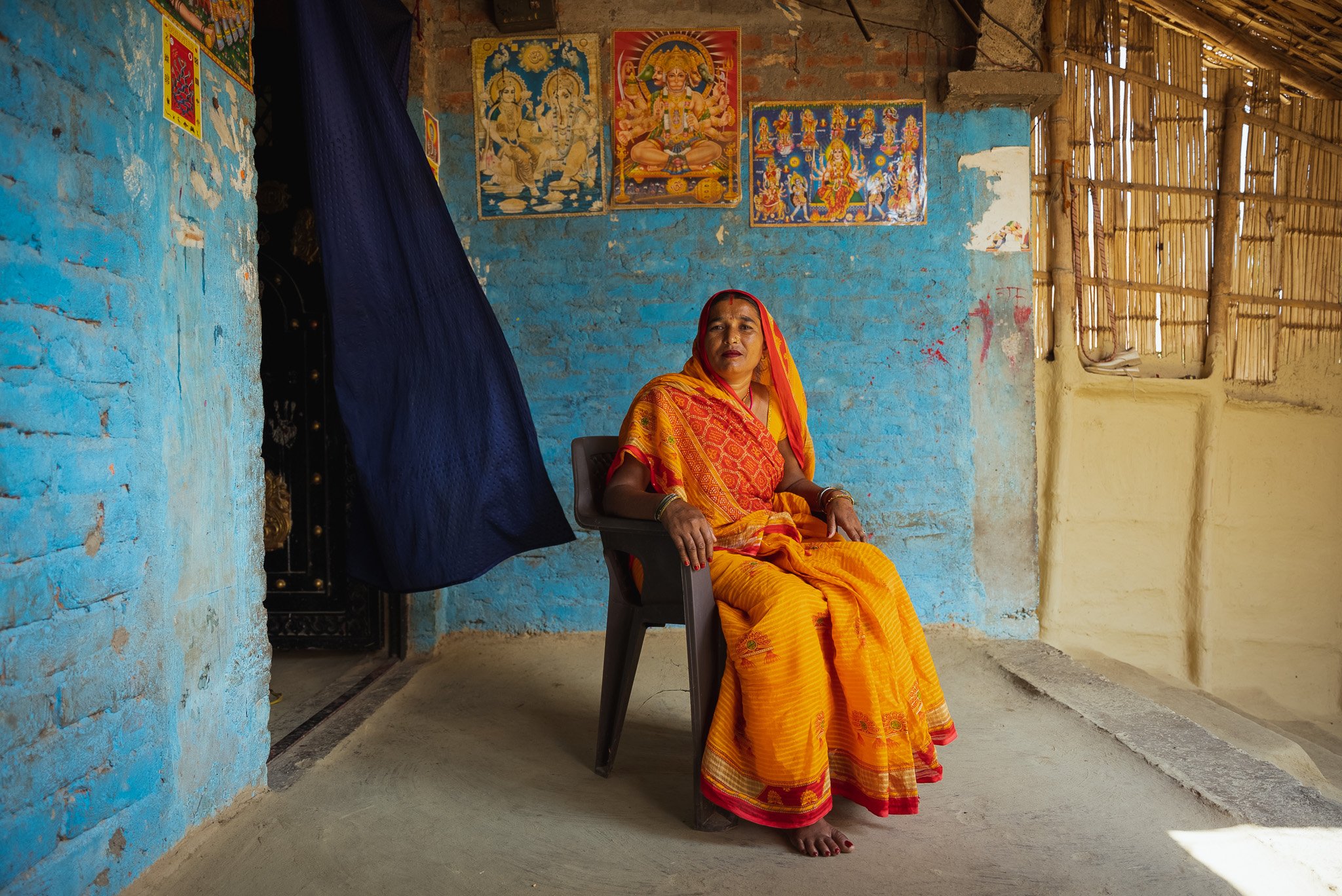
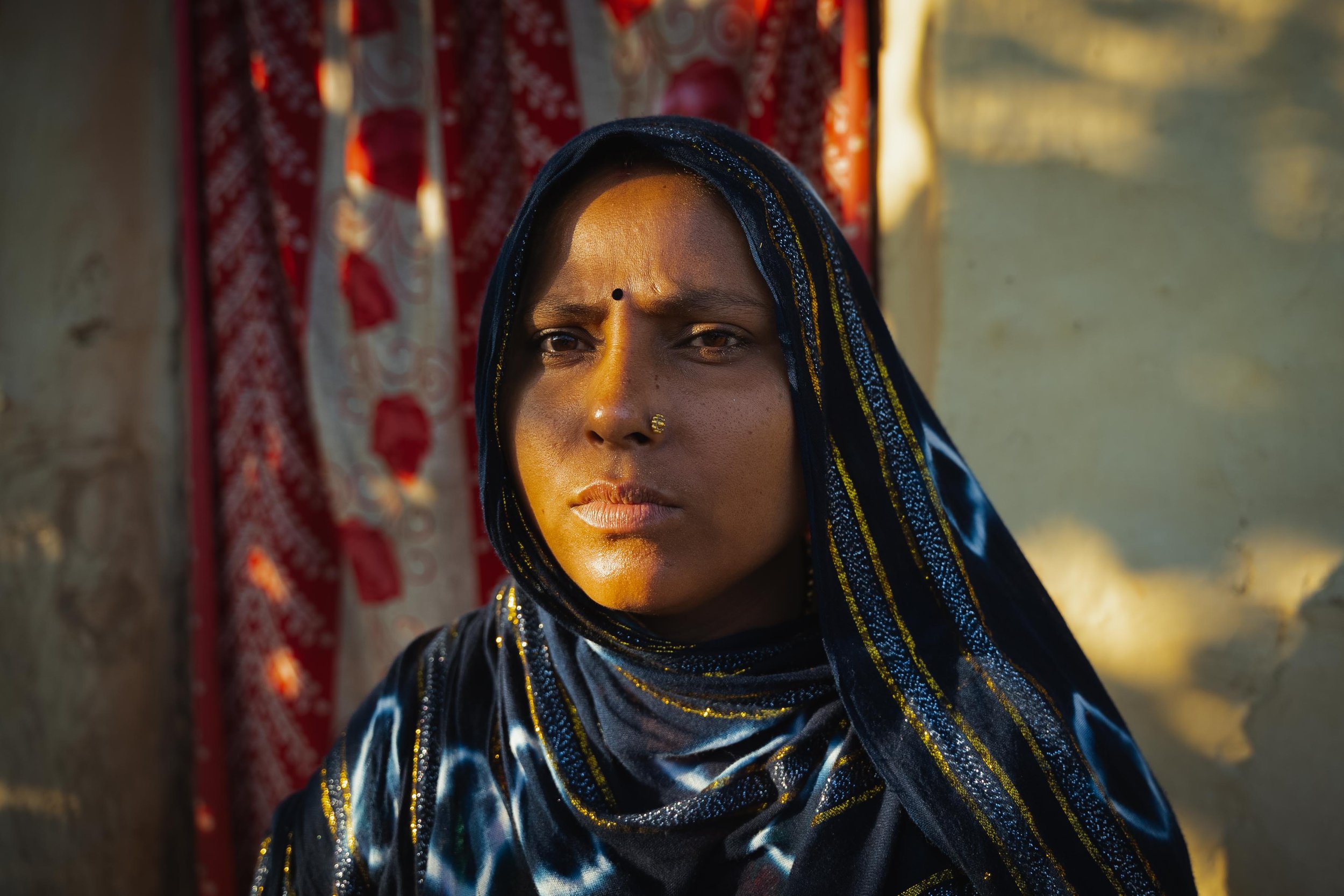
Somni Das, 45, a survivor of iatrogenic fistula, poses for a portrait at the entrance of her home in Janakpur.
Momina Khatun, 32, an iatrogenic fistula survivors, poses for a portrait outside her home in Janakpur.
An unnamed survivor of obsteric fistula poses for a portrait with her brother who supports her, Janakpur, Nepal.
Momina Khatun's father-in-law and children inside their home in Janakpur, Nepal.
The Rise of Surgical Fistula
In 2022, Momina Khatun was advised by a doctor to have a hysterectomy to solve her abdominal pain issues. Eight days post-op, she realised the surgery had gone wrong; she had started uncontrollably leaking urine. But going back to her doctor for corrective surgery made things go from bad to worse. On the operating table, Momina almost lost her life.
The declining rate of obstetric fistula, an injury sustained in child birth, could be read as a positive sign for developing nations. More and more pregnant women are seeking out medical support and prenatal care. But reports are now warning that a new form of fistula is on the rise, and this trend is global in scale. Iatrogenic fistula is caused by doctor error, malpractice, or negligence.
Dr Mohan Chandra Regmi is the leading specialist fistula surgeon in Nepal. He says around 60% of fistula cases he now sees in order to perform corrective surgery are iatrogenic, compared with 30% in 2018. He believes that while the healthcare industry as a whole is growing in Nepal with more hospitals, clinics, and doctors available, the quality of care is also declining. Shot for The Telegraph, and UNFPA.